Ce module est une initiation au monde de la recherche. Il met en avant les outils basiques dont a besoin l'étudiant pour mener à bien une recherche documentaire en traduction, efficace et rapide.
- المعلم: Ahmed Belaidi

Documentary Research in Translation is an academic course designed to equip students with the methodological knowledge and practical competencies required to conduct systematic, rigorous, and reliable documentary research within the field of translation studies. It introduces students to the principles, techniques, and resources involved in identifying, accessing, selecting, evaluating, and exploiting documentary materials relevant to translation tasks. The course explores a wide range of documentary resources, including specialized dictionaries, encyclopedias, terminological databases, academic publications, digital libraries, translation corpora, and parallel texts. Particular emphasis is placed on information literacy, terminological research, source credibility, contextual analysis, and the appropriate use and citation of academic references. Through theoretical instruction and practical activities, students develop critical research skills and methodological autonomy, enabling them to make informed translational decisions, enhance linguistic and conceptual accuracy, and produce contextually appropriate and academically grounded translations. Ultimately, the course contributes to the development of competent, reflective, and research-oriented translators capable of addressing the documentary and terminological challenges inherent in professional and academic translation.
- المعلم: Zahira Boukhemia
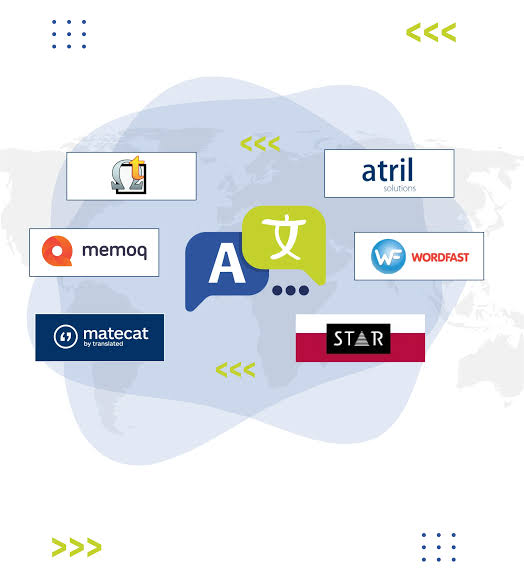
تعد برامج الترجمة بمساعدة الحاسوب من التكنولوجيات الحديثة في مجال الترجمة فهي تخلق بيئة مناسبة للمترجم وتساعده على إنجاز ترجمات أكثر اتساقا ودقة، وتمكنه من ربح الوقت الذي يعد عاملا مهما جدا بالنسبة للمترجم، لكن هذه التكنولوجيات تنوعت وتعددت بسبب منافسة الشركات العالمية في تطويرها والاستفادة من الطلب الكثير عليها.
يساعد هذا المقياس الطالب على التعرف على هذه التكنولوجيات من خلال الدروس النظرية التي تتطرق إلى تطورها عبر الزمن ودراسة أهم خاصياتها والمزايا التي توفرها للمترجم البشري، كما أن الدروس النظرية تمكن الطالب من التفريق بين تكنولوجيات الترجمة بمساعدة الحاسوب والترجمة الآلية.
- المعلم: Anes STITI

Introduction à la Lexicographie
La langue constitue un élément fondamental de la communication humaine et reflète l’évolution culturelle et sociale des sociétés. Les mots qui composent une langue se transforment, apparaissent et disparaissent selon les besoins des locuteurs et les changements du monde. Afin de recenser ces mots, d’expliquer leur sens et de faciliter leur utilisation, il est nécessaire de les étudier et de les organiser de manière systématique. Cette tâche relève d’une discipline linguistique particulière appelée Lexicographie, qui joue un rôle essentiel dans l’élaboration des dictionnaires et dans la description du vocabulaire d’une langue.
- المعلم: Mounira Hamideche
The course Introduction to Translation (English–Arabic) is a fundamental module designed for first-year undergraduate students in Translation Studies. It introduces the basic concepts of translation, its different types, and the role and qualifications of the translator.
The course is divided into two main chapters. The first deals with the basic concepts of translation, while the second focuses on the translation process and the role of context. It presents the seven stages of translation, from skimming and initial orientation to final review and quality assurance, including comprehension, terminology identification, literal drafting, syntactic restructuring, and stylistic refinement. It also highlights the importance of context in understanding polysemous words and idiomatic expressions.
Through theoretical explanations and practical exercises, students develop their ability to analyse texts and produce accurate, coherent, and natural translations from English into Arabic.
- المعلم: Fairouz BOUREMA